A New Chapter of Instability: The Reported Demise of Iran's Supreme Leader
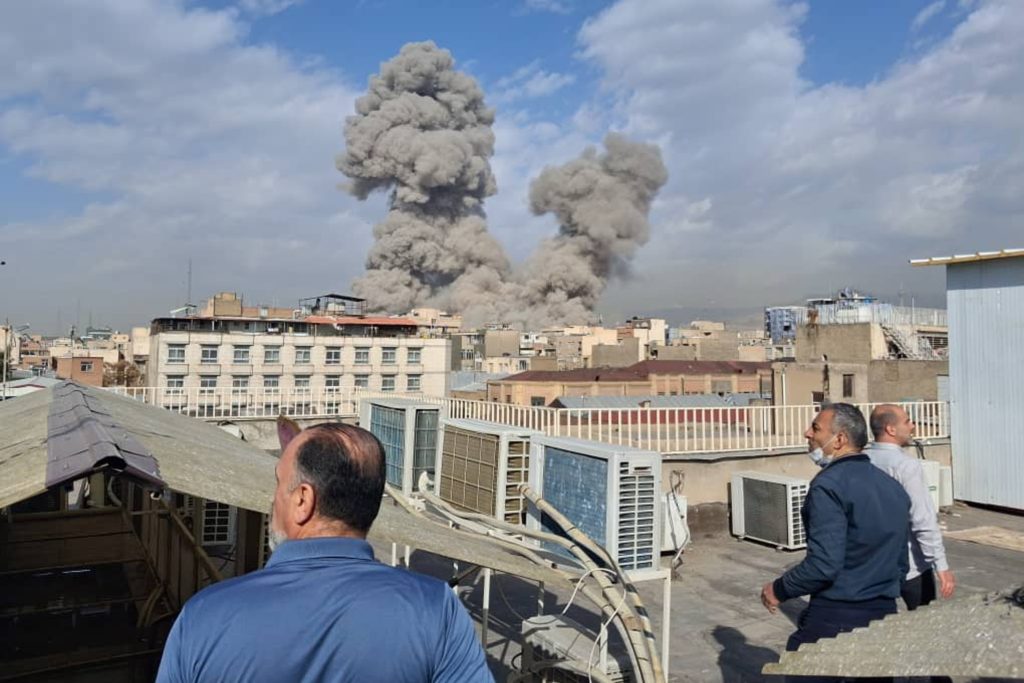
The Middle East has been plunged into a heightened state of alert following a series of extensive military operations by the United States and Israel targeting Iran. These coordinated strikes, described as "massive and continuous," culminated in the reported death of Iran's Supreme Leader, Ayatollah Ali Khamenei. Iranian state television confirmed Khamenei's demise on Saturday, an announcement that followed earlier claims by US President Donald Trump, who characterized the 86-year-old cleric as "one of the most evil people in history."
Khamenei, who had served as Iran's Supreme Leader since 1989, represented the ultimate authority within the Islamic Republic, holding sway over its political, religious, and military affairs. His death creates a significant power vacuum and ushers in an era of profound uncertainty for a nation already at loggerheads with much of the international community. In the immediate aftermath, Iran's President, the head of the judiciary, and another prominent Ayatollah have reportedly assumed temporary leadership roles, navigating a crisis compounded by the scale of the ongoing Middle East Conflict: Global Powers React to Iran Attacks.
The stated objective behind these concerted US-Israel operations against Iran is to prevent the Iranian regime from acquiring nuclear weapons. President Trump emphasized that the attacks were designed to ensure Tehran "not obtain a nuclear weapon," even as US intelligence services had previously assessed Iran's capacity to develop such a weapon was at least a decade away. This discrepancy highlights the urgency and potentially pre-emptive nature of the strikes, escalating an already tense geopolitical landscape.
Escalation and Retaliation: A Region on Edge
The coordinated attack on Iran has not gone unanswered. Tehran has responded to the strikes on its official buildings, signaling a determined resistance. The powerful Iranian Revolutionary Guard Corps (IRGC) has vehemently vowed "hard and decisive" revenge for the death of their leader, promising severe retribution that could plunge the region into deeper turmoil. Such threats from a well-equipped and influential military force carry significant weight, suggesting that the current wave of conflict may be far from over.
Evidence of immediate and deadly retaliation has already surfaced. Reports indicate that at least nine people were killed in the Israeli town of Beit Shemesh following the impact of an Iranian missile. This incident underscores the direct and tragic human cost of the escalating hostilities. Further afield, a fire erupted at the port of Dubai, reportedly after being hit by Iranian missiles, indicating the potential for the conflict to spill over and affect broader regional stability and economic hubs.
The rhetoric from Washington has also intensified, with President Trump issuing a stern warning of a "never before seen" response should Tehran act on its threats. This tit-for-tat dynamic creates a perilous cycle of escalation, where each action and reaction pushes the involved parties closer to a full-scale regional confrontation. Understanding this cycle is crucial for assessing potential future developments.
Understanding the Escalation Cycle:
- Initial Strikes: US-Israel military operations targeting Iran's infrastructure and leadership.
- Iranian Response: Counter-attacks, often symbolic or asymmetric, targeting Israeli or allied assets.
- Retaliatory Threats: Strong warnings from both sides, often public, reinforcing resolve.
- Further Actions: Potential for more significant military engagements, cyberattacks, or proxy conflicts.
Global Reactions and Diplomatic Efforts Amidst the Turmoil
The unfolding events have sent ripples across the international community, prompting urgent reactions and calls for de-escalation. European powers, including France, Germany, and the United Kingdom, have expressed their readiness to "attack Iran in defense of their interests," indicating a potentially broader coalition willing to confront Tehran if their strategic concerns are threatened. This stance highlights the global implications of the conflict and the complex web of alliances and interests at play.
Meanwhile, other nations have adopted a more cautionary tone. Spain's Minister of Foreign Affairs, José Manuel Albares, articulated a widespread concern, stating that "violence never brings peace and democracy, only chaos." His remarks underscore a desire for diplomatic solutions over military confrontation. Spain, like other European nations, has also been proactive in ensuring the safety of its citizens, activating consular emergency hotlines and updating information for Spanish residents in the region.
NATO Secretary General Mark Rutte confirmed that the alliance has no plans for direct involvement in the conflict with Iran. However, he acknowledged the "really important" nature of the US-Israel military action, particularly in its stated aim to reduce Iran's capacity for nuclear and ballistic missiles. This position illustrates the delicate balance many international actors are trying to strike: condemning outright military conflict while acknowledging the strategic concerns that fuel such actions. The international community grapples with how to react to such a significant development, and more analysis can be found in our deep dive into the Middle East Conflict: Global Powers React to Iran Attacks.
Economic Repercussions and Safety for Citizens
Beyond the immediate military and political fallout, the US-Israel attack on Iran has sent jitters through global financial markets. The Spanish stock index, Ibex 35, experienced a notable decline of 2.62% following the escalation of the conflict. This market reaction is a strong indicator of the broad economic uncertainty generated by instability in a major oil-producing region. Disruptions to oil supply routes, increased shipping costs, and investor apprehension can have far-reaching effects on global energy prices and economic stability. Businesses and investors are advised to monitor the situation closely, as such conflicts often lead to significant market volatility. For a more detailed look at these implications, see our article on Iran Conflict: Economic Impact & Tehran's Vengeance Threat.
For citizens residing in or traveling through the Middle East, the escalating situation necessitates extreme caution and vigilance. Governments globally are advising their nationals to stay informed and adhere to safety guidelines. Practical advice includes:
- Stay Updated: Regularly check official embassy websites, consular advisories, and reputable news sources for the latest information and travel warnings.
- Emergency Contacts: Ensure you have the emergency contact numbers for your country's embassy or consulate readily accessible. For example, Spain's Ministry of Foreign Affairs has provided a 24-hour consular emergency unit (+34910001249) and local embassy contacts for its citizens in Iran, Israel, and Jordan.
- Communication Plans: Keep family and friends informed of your whereabouts and have a communication plan in case of disrupted services.
- Personal Safety: Avoid large gatherings, demonstrations, and areas of known military activity. Be aware of your surroundings at all times.
- Travel Preparedness: Have essential documents (passport, visas) and any necessary medications easily accessible in case of an evacuation or sudden travel changes.
Key Considerations for Businesses:
- Supply Chain Resilience: Evaluate and diversify supply chains to mitigate risks associated with regional disruptions.
- Energy Costs: Prepare for potential increases in oil and gas prices.
- Market Volatility: Advise investors to exercise caution and consider geopolitical risks in their portfolios.
Conclusion
The reported death of Ayatollah Ali Khamenei in the wake of US-Israel military actions against Iran marks a critical juncture in the volatile history of the Middle East. While the immediate implications include a leadership vacuum in Iran and promises of retaliation from the Revolutionary Guard, the broader landscape suggests a period of intense regional and global instability. International reactions range from calls for de-escalation to declarations of readiness to defend national interests, underscoring the complex diplomatic tightrope being walked by global powers. As economic markets react with apprehension and citizens are urged to prioritize safety, the world watches to see if diplomacy can avert further catastrophe, or if the current attack on Iran will usher in an even more dangerous chapter for the region.